Best Traditional Ryokan in Kyoto for First-Timers
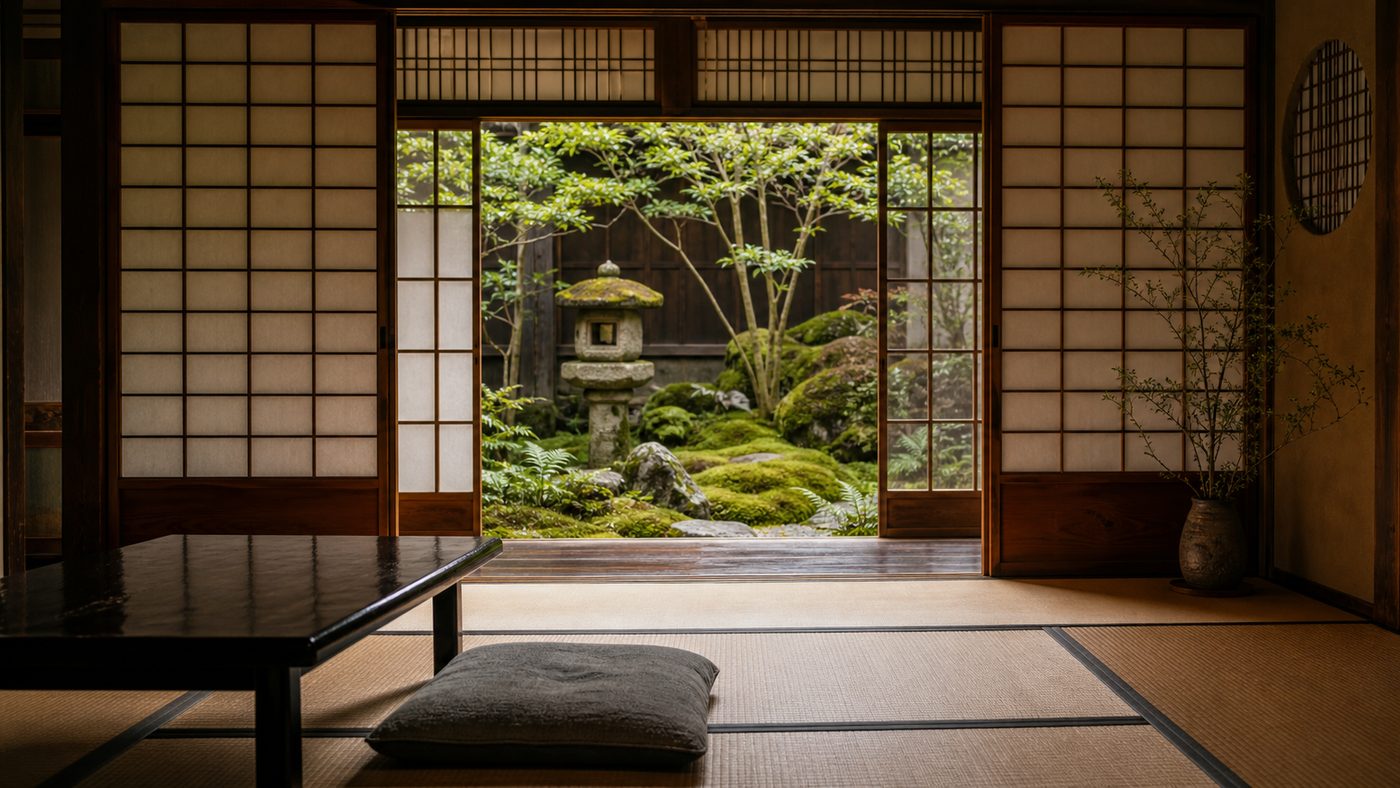
Illustration. Not a photograph of any property listed below.
One night in a ryokan is, for a lot of people, the single most memorable part of a first trip to Japan — and also the part they're most likely to book badly. The listings look similar, the prices swing by a factor of five for reasons that aren't explained, and half the things that make the stay good (the meal, the bath, the arrival time) aren't in the photos.
This guide covers five traditional inns in Kyoto across three budgets, and — more usefully — the handful of things about ryokan that catch first-timers out.
How this guide was put together. I live in Japan, but I have not personally stayed at all five of these properties, and I'm not going to pretend otherwise. Every factual claim below — guest scores, review counts, walking distances, facilities — comes from each property's own listing and its public guest reviews, checked in July 2026. Prices move constantly; treat every figure here as a ballpark, not a quote.
Booking links on this page are affiliate links. If you book through one, this site earns a commission at no extra cost to you. It doesn't change the ranking — the two cheapest places here pay the smallest commissions. See the full disclosure.
A word on the photographs, since their absence is conspicuous: we don't have permission to republish these properties' own images, so we haven't. What you'll see instead are licensed photographs of each neighbourhood — the landmark you'd actually walk to — credited underneath, plus illustrations for the explainer sections. Every one is labelled for what it is.
What a ryokan actually is
A ryokan is a traditional Japanese inn, and the differences from a hotel are structural rather than decorative:
- You sleep on the floor. Futon are laid out on tatami matting, usually by staff while you're at dinner. They're firmer than a Western mattress and most people sleep fine on them.
- Shoes come off at the entrance. Not at your room door — at the front door of the building. You'll be given slippers, which then come off again before you step onto tatami.
- The bath is communal and usually gender-separated. You bathe naked, after washing at a seated shower station outside the tub. The bath is for soaking, not for cleaning.
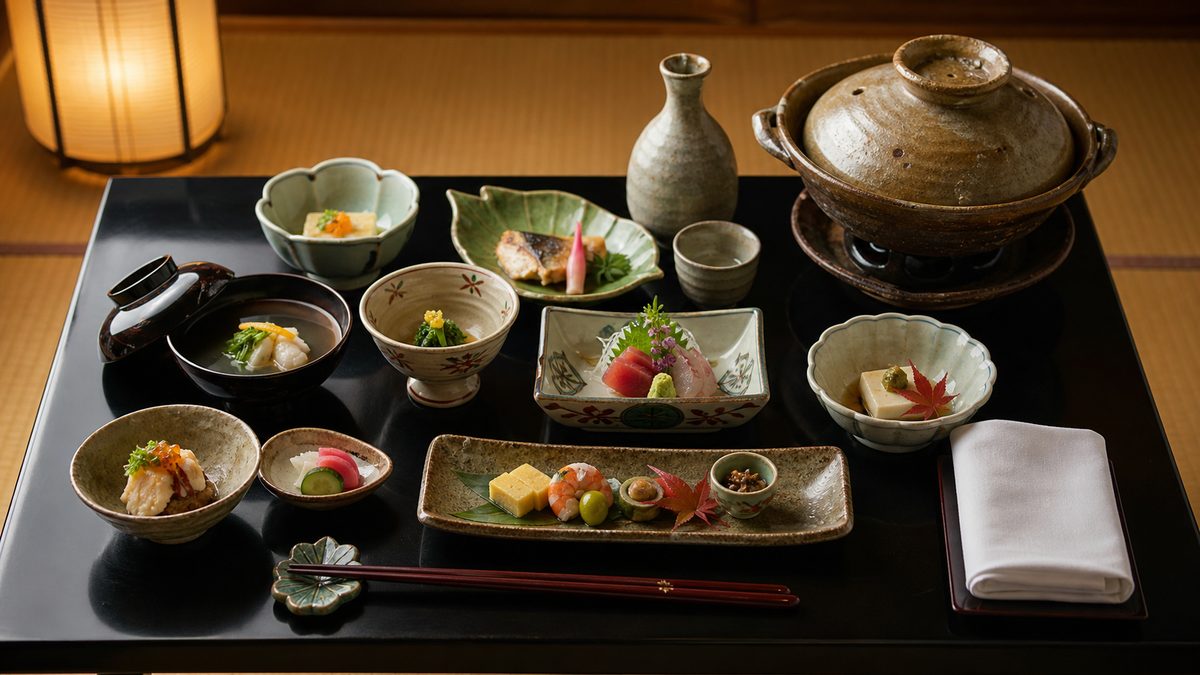
- Dinner and breakfast are often included, at fixed times. A traditional dinner is kaiseki — a long sequence of small seasonal courses. This is why ryokan check-in windows are narrow: the kitchen is cooking to a schedule.
- You'll be given a yukata — a light cotton robe — and wearing it to dinner and around the building is normal, not a costume.
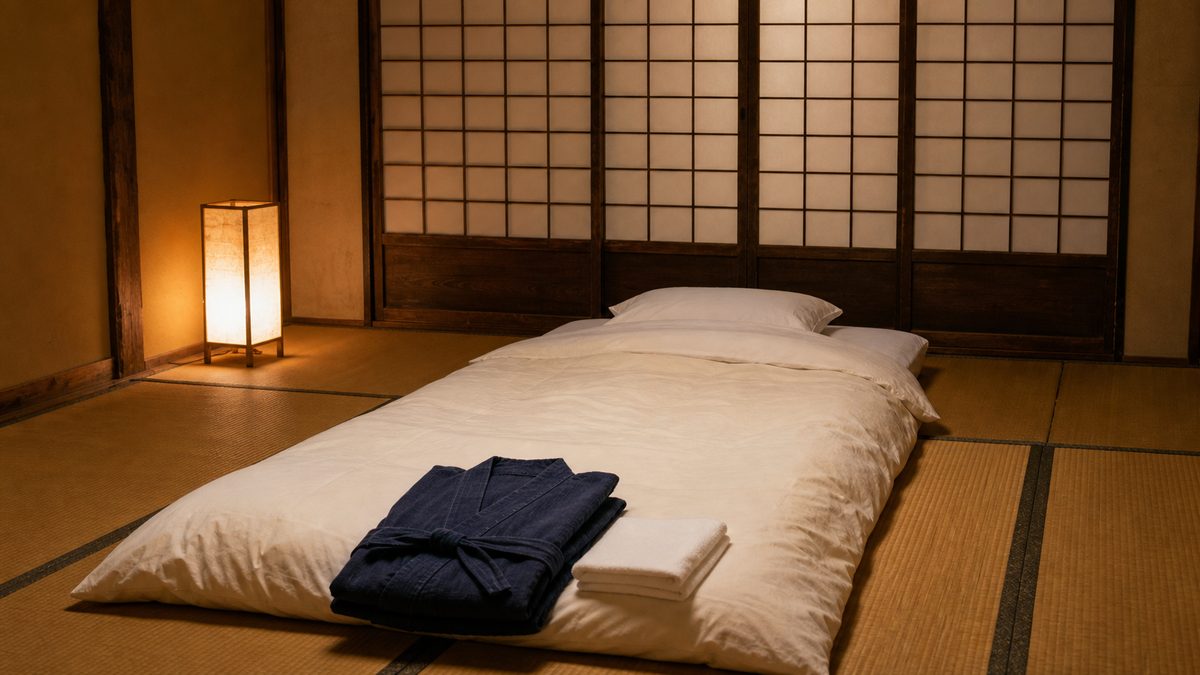
Not every property called a ryokan does all five. The budget picks below are essentially tatami-room inns with a shared bath and no dinner service, which is a perfectly good way to try the format for a third of the price.
Why the prices look so strange
Traditional ryokan quote rates per person, with two meals. Booking sites then show you a two-person total, which is why a room can appear to cost $700 a night when a comparable hotel room is $180. You're buying a multi-course dinner and a full Japanese breakfast for two people alongside the room.
The corollary is that the expensive ryokan are not five times better as buildings — they're serving five times more food. If the meal isn't the point of the trip for you, a room-only ryokan gives you the tatami, the futon and the bath for a fraction of the cost.
A rough sense of the Kyoto market, for two people for one night:
- Room only, tatami room, shared bath: roughly $130–200
- Mid-range, with breakfast, central: roughly $250–350
- Full kaiseki dinner and breakfast, garden setting: $500–900 and up
Peak periods — cherry blossom in late March and early April, autumn colour through November — can double the low-season figure at the same property. If your dates are flexible at all, that's the single biggest lever you have.
The five at a glance
| Ryokan | Best for | Guest score | Rough nightly rate (2 people) | Area |
|---|---|---|---|---|
| Nanzenji Ryokan Yachiyo | The full garden-and-kaiseki experience | 7.5 / 10 (115 reviews) | From ~$330 room-only; $700+ with meals | Nanzen-ji, eastern Kyoto |
| Matsui Honkan | Tradition without giving up a central location | 9.6 / 10 (55 reviews) | ~$300 | Nakagyo, city centre |
| Ohara no Sato | An open-air hot spring and total quiet | 8.8 / 10 (59 reviews) | ~$175 | Ohara, an hour north |
| Matsuba-ya Ryokan | Tatami on a budget, near the station | 8.9 / 10 (59 reviews) | ~$140 | Shimogyo, near Higashi Honganji |
| Ryokan Ginkaku Kyoto | Arrival and departure days | 9.5 / 10 (111 reviews) | ~$135 | 7 min walk from Kyoto Station |
1. Nanzenji Ryokan Yachiyo
The splurge
Yachiyo dates its founding to 1915 and sits in the temple district on Kyoto's eastern edge. It's the closest thing on this list to the ryokan people picture when they imagine one: a walled garden, a courtyard you eat breakfast in, and private hot-spring baths. The main building was rebuilt in 2014, so "historic" here describes the institution and the garden rather than the structure.
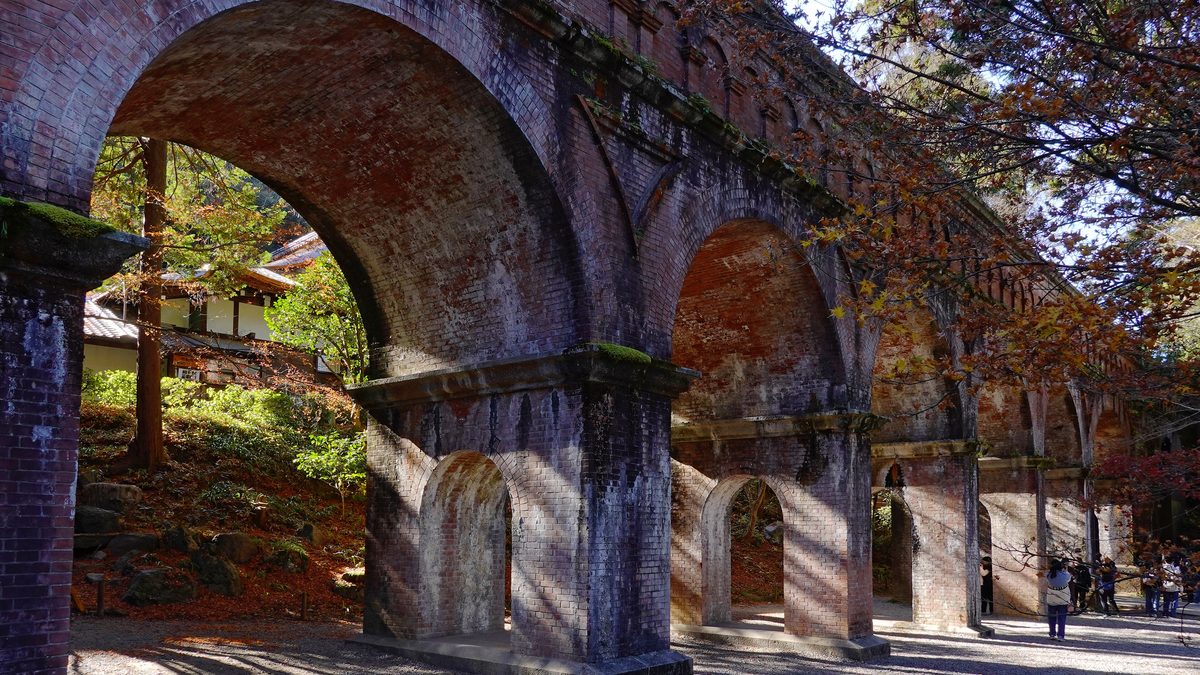
The location is genuinely exceptional for a first visit. The Keage Incline — the disused railway slope that turns into a cherry blossom tunnel in spring — is about 50 metres from the door. Murin-an, a small and unusually good Meiji-era garden, is under 200 metres away. Nanzen-ji itself, with its Roman-looking brick aqueduct, is a ten-minute walk. The Philosopher's Path starts near there and runs north.
- LocationSakyo Ward. Keage subway station ~600 m; Nanzen-ji ~620 m; Shijo Kawaramachi ~2.5 km
- FacilitiesPrivate hot-spring baths, jacuzzi, restaurant, library, private parking, garden
- MealsKaiseki dinner available; breakfast can be added to a room-only rate
- Watch forThe lowest guest score here, and a real spread in room quality
That 7.5 needs explaining, because it's the only score on this page under 8.5. Yachiyo is a century-old building with rooms of varying vintage — the annex rooms are noticeably plainer than the main house, and guests who booked the cheapest rate expecting the photographs are the ones leaving mid-range reviews. The garden, the food and the setting draw consistent praise; the fittings in the budget rooms do not. If you book here, book a main-house room and read the room description rather than the property description.
It's also the one property on this list where a low-season room-only rate is genuinely reachable — I've seen mid-winter weekday rates in the low $300s for a room sleeping four, which is a different proposition entirely from the headline price.
2. Matsui Honkan
The best all-rounder
If you only have one night to give to a ryokan and you don't want to lose half a day getting to it, this is the pick. Matsui Honkan is a working traditional inn — 27 tatami rooms, kaiseki dinner and breakfast served in your room, an on-site bath and spa — in the middle of central Kyoto rather than out in a temple district. You enter through a sukiya-style gate off the street, which does a surprising amount of work in separating the building from the shopping district around it.
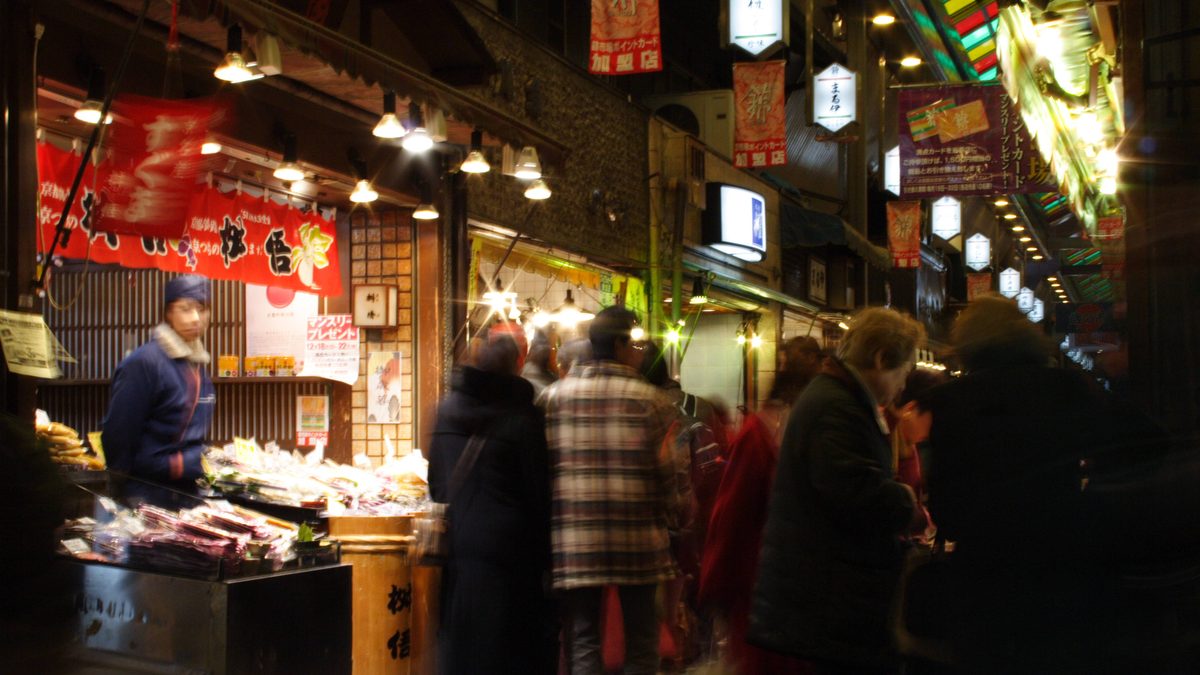
Nishiki Market, Pontocho's lantern-lit alley and the Kawaramachi shopping streets are all inside a fifteen-minute walk. Shijo Kawaramachi station is about 430 metres away, which means Arashiyama, Fushimi Inari and Kyoto Station are all straightforward from the door.
- LocationNakagyo Ward. Shijo Kawaramachi ~430 m; Karasuma ~500 m; Nishiki Market ~10 min walk
- RoomsJapanese-style with tatami and private bathrooms; suites available
- FacilitiesSpa, massage room, restaurant, luggage storage
- MealsKaiseki-style breakfast served in-room
The guest score is the highest of the five and the review pattern is unusually clean — no negative reviews at all, with service rated 9.7. The caveat is sample size: 55 reviews is enough to be meaningful but not enough to be certain, and it's a small property, so availability disappears early for spring and autumn dates.
3. Kyo no Minshuku Ohara no Sato
The countryside night
Strictly, this is a minshuku — a family-run guesthouse — rather than a formal ryokan, and the distinction matters: expect warmth and home cooking rather than choreographed service. What it has that none of the others do is a genuine hot spring. The house sits on the Ohara spring source, and the outdoor bath is a goemon-buro, the old cauldron-shaped wooden tub, set among the trees.
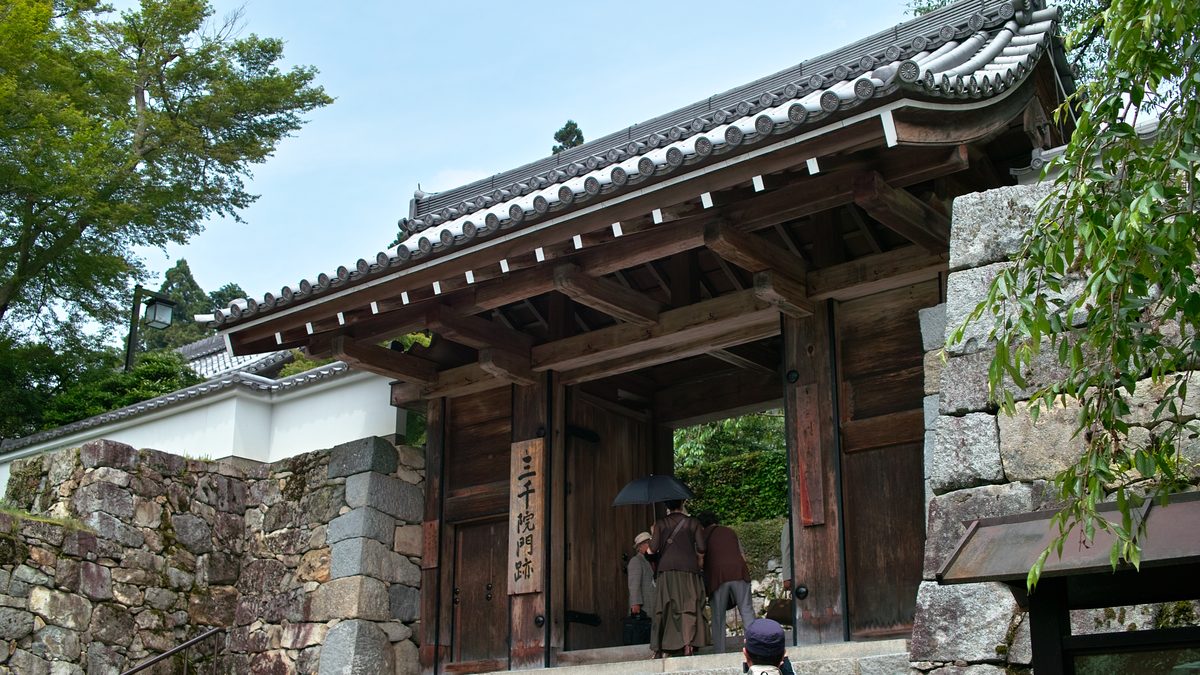
Ohara sits about an hour north of central Kyoto by bus, in a farming valley of thatched roofs and vegetable plots. Jakko-in temple is 200 metres from the door. Sanzen-in — moss gardens, small stone jizo statues among the roots, one of the loveliest temple grounds in the Kyoto area and mercifully far from the coach-tour circuit — is about 1.5 km away.
- LocationOhara, Sakyo Ward. Jakko-in ~210 m; Sanzen-in ~1.5 km; central Kyoto ~1 hr by bus
- FacilitiesIndoor and outdoor hot-spring baths, restaurant, free parking, free shuttle, station pick-up
- MealsMiso hotpot with vegetables from the house garden and Kyoto aka-jidori chicken; the family has made its own miso for about a century
- Watch forThe outdoor bath is small, and photography in the bath area is restricted
Reviewers rate the location 9.2 and the service 9.1, with the open-air bath the single most-mentioned feature. Amenities score lowest at 8.2, which is the honest trade-off — this is a rustic building, not a polished one. There's a free shuttle and station pick-up, which takes most of the sting out of the distance, but don't plan a packed sightseeing day around a night here. Come up in the afternoon, walk to the temples, eat, bathe, and go back down in the morning.
4. Matsuba-ya Ryokan
The value pick
The oldest business on this list. Matsuba-ya opened in 1884 to house pilgrims visiting Higashi Honganji, which is still three minutes from the door, and it has been run as an inn ever since. The building was rebuilt in 2008 using timber salvaged from the original. Rooms are traditional with private bathrooms and, in some cases, their own tiny courtyard; there's a communal bath, a laundry room, and luggage storage.
It is also, by some distance, the most practised at hosting foreign guests — the overwhelming majority of its business is now international, and it shows in the reviews.
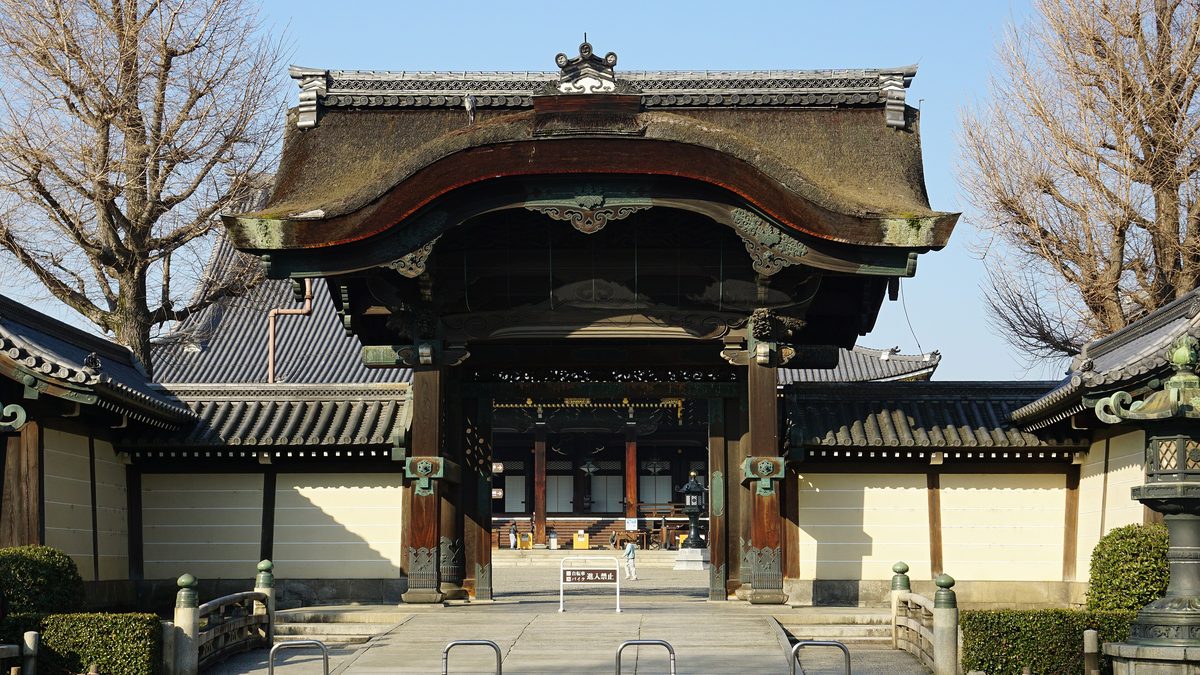
What stands out in the reviews is consistency rather than any single feature — cleanliness rates 9.2, and the property has not taken a negative review in two years. Guests repeatedly describe staff walking them through the building on arrival, which is worth more than it sounds if this is your first tatami room.
- LocationShimogyo Ward. Gojo subway ~350 m; Higashi Honganji ~240 m; Kyoto Station ~800 m
- Rooms32 tatami rooms with private bathrooms; some have small private courtyards
- FacilitiesCommunal bath, laundry room, luggage storage, private parking, EV charging
- MealsJapanese breakfast available; no dinner service
At roughly $140 for two, this is the cheapest way on this list to get a genuinely traditional room. Location scores 8.7 — the lowest of its category scores — because the immediate streets are ordinary residential Kyoto rather than scenic. That's a fair criticism and a fine trade at the price.
5. Ryokan Ginkaku Kyoto
The arrival-night pick
One clarification first: despite the name, this has nothing to do with Ginkaku-ji, the Silver Pavilion, which is right across the other side of the city. This Ginkaku is a seven-minute walk from Kyoto Station — Kyoto Tower is about 180 metres away.
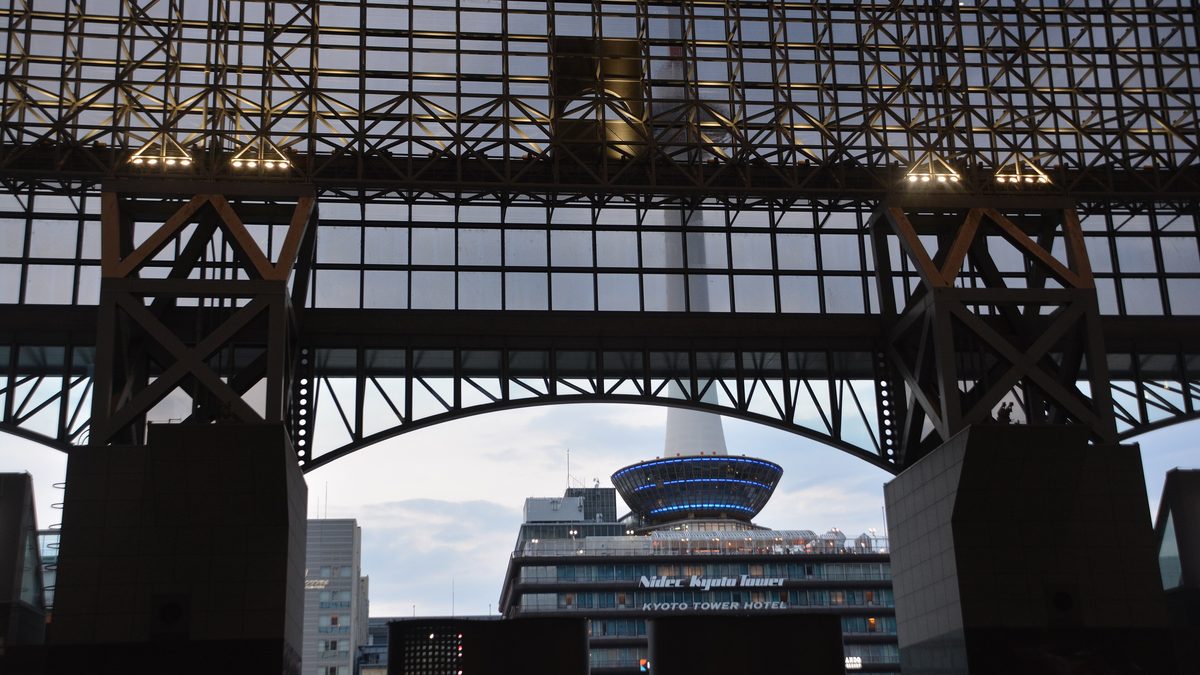
Be clear about what this is, too: it opened in 2023 and has 60 rooms, so it's a modern building done in ryokan style rather than an old inn. It also takes school groups, which can make the lobby lively at certain times of year. What it is not is a century-old wooden house — if that's what you're after, book one of the four above.
What it does have is a very specific use: the night you arrive off the bullet train with luggage, or the night before an early departure. Location scores 9.8 and cleanliness 9.6, and with 111 reviews it has one of the two largest review bases here — 24 consecutive positive ratings, and no negative review in the past nine months.
- LocationShimogyo Ward. Kyoto Station ~410 m (7 min walk); Kyoto Tower ~180 m; Gojo subway ~850 m
- FacilitiesCafe, luggage storage, lift, clothes dryer, free Wi-Fi in public areas
- MealsJapanese breakfast available; no dinner service
- Watch forOpened 2023, 60 rooms, also hosts school groups — convenient and spotless, not atmospheric
It is the least romantic setting of the five, and that's the point. Book the atmosphere for a middle night of your trip and book this one for the logistics.
How to choose between them
- You want the experience people write home about, and budget is secondary: Yachiyo, in a main-house room, with dinner.
- You have one night to spend and a full sightseeing schedule: Matsui Honkan. Central, traditional, high-scoring.
- You want an outdoor hot spring and don't mind an hour on a bus: Ohara no Sato.
- You want to try tatami without spending hotel-suite money: Matsuba-ya.
- You're arriving late or leaving early: Ryokan Ginkaku.
- You have tattoos: communal baths often restrict them. Yachiyo's private hot-spring baths are the cleanest workaround on this list; otherwise ask the property directly before booking.
A pattern worth copying: most people who stay in a ryokan on a first trip only do it for one or two nights out of a week, and base the rest of the trip in a normal hotel. Tatami and a set dinner schedule are wonderful for a night and constraining for six.
Etiquette that actually matters
Nobody expects a foreign guest to get all of this right, and staff will quietly correct anything important. But four things genuinely matter:
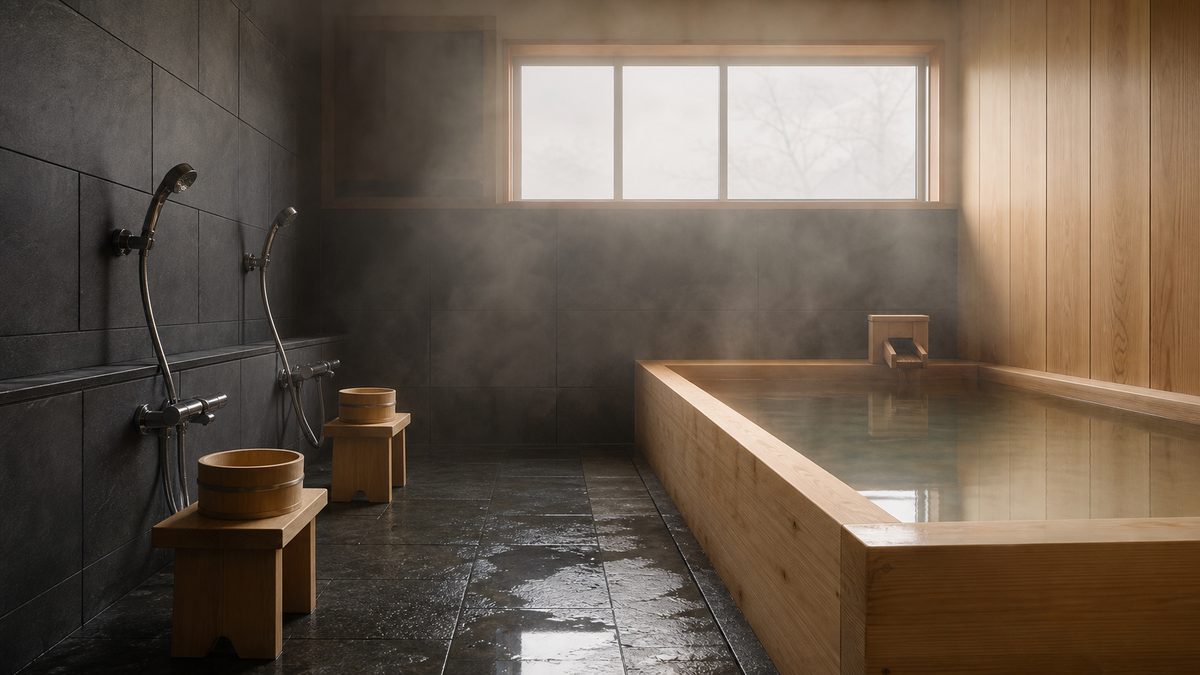
- Wash before you get in the bath. Sit on the stool, use the shower, rinse off completely, then enter the tub. No soap, no swimwear, and the small towel you're given doesn't go in the water — people rest it on their head or the edge.
- Be on time for dinner. A kaiseki meal is cooked to a schedule and arriving forty minutes late genuinely damages it. If you're going to be late checking in, phone.
- Say what you can't eat, in advance. The menu is fixed and bought in for you specifically. Dietary requirements raised at the table usually can't be accommodated; raised at booking, they usually can. Note that dashi — fish stock — is in almost everything, which makes strict vegetarian and vegan requests genuinely difficult and worth flagging early.
- Slippers off on tatami. Socks or bare feet on the matting, always.
Booking notes
- Book early for spring and autumn. Ryokan are small — often ten to twenty rooms — so late March, early April and all of November sell out months ahead, not weeks.
- Check what "with meals" means on the rate you're picking. The same property will list room-only, breakfast-only and two-meal rates side by side, and the price gap between them is mostly dinner.
- Check the check-in window. Ryokan check-in commonly closes around 18:00–19:00, much earlier than a hotel, especially where dinner is served.
- Travel light, or send your bags ahead. Japan's luggage forwarding service (takkyubin) moves a suitcase between hotels overnight for around $15–20, and it's the standard move for anyone doing Tokyo–Kyoto with a ryokan night in between.
Related guides
- Tokyo vs. Kyoto: which should you visit first? — if you're still deciding how to split your time.
- Best time to visit Japan by season — the biggest single factor in what a ryokan night will cost you.
- How much does a trip to Japan really cost? — where a ryokan night fits in a full budget.
- Where to stay in Tokyo — the equivalent breakdown for the other end of the trip.
Image credits
Neighbourhood photographs are licensed images from Wikimedia Commons, cropped and resized for this page. None of them show the interior of any property listed above.
- Nanzen-ji aqueduct — 663highland, CC BY-SA 4.0
- Nishiki Market — ignis, CC BY-SA 3.0
- Sanzen-in gate, Ohara — t-mizo, CC BY 2.0
- Higashi Honganji — 663highland, CC BY-SA 4.0
- Kyoto Station and Kyoto Tower — Jonashtand, CC BY-SA 4.0
The tatami room, futon, kaiseki tray and bath house images are illustrations produced for this article. They depict the general form of a ryokan and are not photographs of any property listed above.